You can turn your live performance into multiple revenue streams. There are many ways to make money. Some are obvious and some are not. New methods are constantly emerging with the advancement of technology. Let’s start with some tried-and-true techniques and then explore ideas that may be unfamiliar.
Musicians have more options than ever before to convert live performances into a long-term source of income, whether they are playing in a crowded venue or a comfortable living room. Let’s dive into each of these income streams, starting with one of the most obvious: ticket sales.
1. Tickets are on sale
Live music is still a big deal. In an era where everything is automated and digitized, live shows are one of the few experiences that people will still pay for. Nothing can replace the real thing.
It’s important to think beyond the ticket price. Consider offering tiered tickets instead of just charging $10 and calling it good. Start with $10 and then add $20, or even $30. If it’s their only choice, fans will choose the lowest level. When given the opportunity to provide more, many people will.
Pro Tip: Do not hesitate to mention that there are higher-tier options available for those who wish to support you more. If someone is passionate about an artist’s work (and they have the money), they will often help them at a higher level, especially if it feels personal, direct and appreciated.
2. Merch
Merch is a major part of the income for many independent artists. It can be a powerful way to extend the time an artist is active and generating revenue. A well-planned merchandise setup, both at the concert and in your online store, can turn 20 or 200 people into loyal fans.
Start with the basics. As a musician, T-shirts and hats are always among the most popular merch items to sell. These products are wearable and functional. They also allow fans to show their love for your music. Make sure that the design is appealing to first-time music listeners. A popular lyric, graphic, or meaningful artwork on an album will do this.
Set up an online store to sell merchandise. This is perfect for fans who find you at your show but want to buy your merchandise later, especially if they did not purchase anything on the spot. Mention your online store in your set so that people can find it. Print out QR codes that link to your online store and place them in a prominent location where they can be easily scanned.
3. Repeat gigs and residency
A residency or recurring gig in a local venue, boutique hotel, or co-working space can provide a steady income as well as the chance to build a loyal fan base. These ongoing partnerships can provide some financial stability, but they also allow you to focus on your original material. You can curate unique experiences and experiment with formats.
Regular performances can be used to invite local artists or guest performers, or make each show a mini-event with its unique vibe. Fans will expect special moments, and each performance will become a must-attend event.
Pro Tip: Use this consistent gig to test out new material, create themed nights, or record future live releases.
4. Private events
Musicians can earn a lot of money performing at private events. Third-party agencies often book these gigs on behalf of clients, especially for corporate events that have larger budgets.
Performances can take many different forms. They could include playing background music at a gala or dinner, learning and singing special songs that match an event’s theme, or setting a mood during cocktail hour. Flexibility is important, but it can pay off in a big way.
Tip: Search platforms such as GigSalad or The Bash for private event opportunities. These sites offer opportunities from private event planners and corporations and list couples who are looking for wedding music or background sets.
5. House Concerts
The most rewarding live performance is still the house concert. Independent artists can often make money, gain fans and create lasting memories at house concerts.
Intimate concerts are usually hosted by fans who invite friends, family, or their community to their homes for music that they love. House concerts require less promotion from artists than traditional venues because the host creates the atmosphere and gathers the audience.
Pro tip: Discuss in advance how the host would like to handle contributions–whether through ticket sales, RSVPs, or a pass-the-hat model. Many guests will be more generous when they are in the middle of the show, especially if it feels intimate and immersive. You can offer digital payment methods or QR codes printed on paper that link to your website to accept payments, as fewer people carry cash.
6. Pop-up performances, brand collaborations and more
Pop-up performances are new street performances with a strategic spin. Many artists are now collaborating with coffee shops, breweries and bookstores to create themed mini-concerts. These shows provide a ready-made audience, visibility, and opportunities for payment, product swaps, tips, and donations. Display a QR Code prominently to help new listeners find you online.
Local businesses and lifestyle brands can sponsor pop-up events as part of their marketing strategies. This is especially true if you share the same vibe. These performances can help you gain new fans in unexpected locations, without the cost of a traditional venue.
Pro Tip: Be creative when thinking about the possibilities. With the right approach, any area with foot traffic could become a stage.
7. Bookings for College Students
While NACA remains a good way to get into college, it is not the only option. Artists are now finding success when they reach out to the student unions, campus program boards, cultural groups, and Diversity, Equity, and Inclusion offices. Many schools have budgets set aside for concerts, workshops and hybrid events. They are looking for performers with diverse backgrounds.
Artists who combine music with poetry, spoken word, activism, or storytelling have many more opportunities. This is especially true on campuses where inclusive programming is prioritized.
8. Festivals
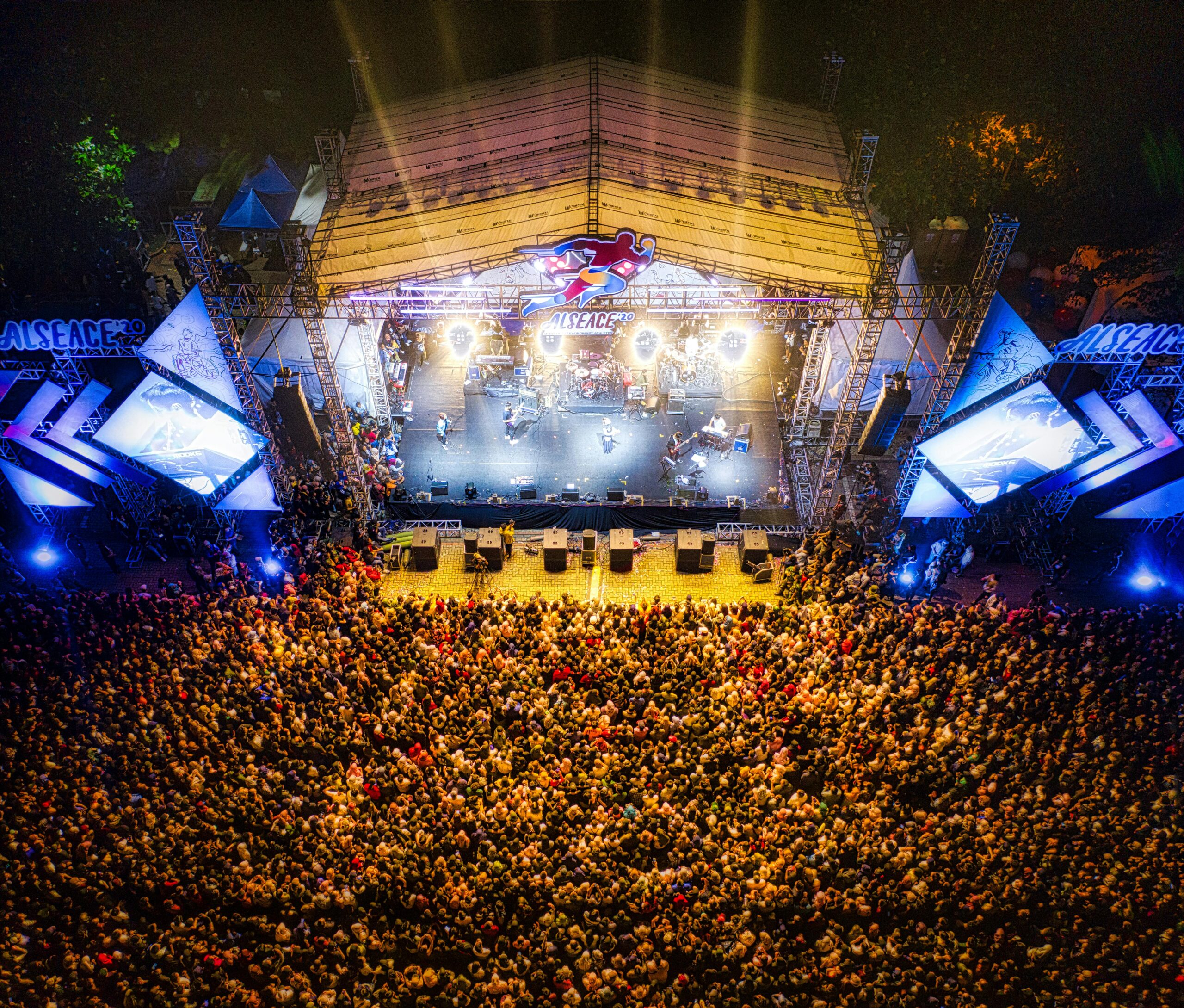
Festivals offer a great opportunity to build a large fan base with little effort on your part. These events attract people from around the world, which creates a perfect environment to introduce your music, especially to large crowds. Treat every set as if it were the first time someone heard you.
Stick around after the show to talk with people. You’ll often meet your most loyal fans during this time.
9. Exclusive online streams and concerts
Livestreams remain a powerful tool, especially when they’re exclusive and story-driven. Instead of treating them as a carbon copy of a live performance, use this format in order to create unique experiences. A private performance for your subscribers, a themed show tied to a recent release, or a behind-the-scenes session where you answer questions or preview unreleased music.
The best way to monetize is through memberships for fans, selling tickets on your website or bundling the content that your fans love (like a livestream with merch and Q&A). What matters most, whether you use Zoom, Instagram Live, or another dedicated platform, is how personal and deliberate the experience feels.
Pro Tip: Make the audience feel intimate and special. Intimacy beats scale in the virtual world. A small guest list encourages interaction and gives viewers a sense of exclusivity and personalization.
10. Live Performance Royalties
Don’t let money slip through your fingers if you are performing original music. You can be paid for these live performances. ASCAP, BMI (U.S.), SESAC (Canada), and SOCAN collect and distribute royalties when your songs are performed publicly. This includes at concerts, bars and clubs, festivals and house shows.
You can submit your setlists through your Performing Rights Organisation’s online portal. This is a simple but effective step that will add up, especially if your gigs are frequent. It is a great way to earn passive income in addition to the money you make at your shows.
Pro Tip: Submit your setlists every month or after each run of shows. This will ensure that you don’t miss out on any royalties.
11. Sponsorships
Sponsorships are a great way to boost your visibility and credibility. They’re not easy to get, but they are more accessible than one might think.
Contact the company directly if you are passionate about their brand, whether it is guitar strings, drumsticks or pedals, clothing or beverages. Many companies are willing to work with independent artists, especially those who are actively involved with their audiences. You don’t have to have millions of fans; you need a strong sense of brand and an authentic connection with your product.
Pro Tip: Use what you love and use it. Brands will sponsor artists more often if they are genuinely passionate about them rather than if they are cold-called promoters.
12. Live Albums
Live albums can be a great way of capturing the energy and passion of your performance, as well as turning a single concert into a revenue stream for years to come. You can hire an engineer or bring your recording equipment to record your show. Many venues already have quality recording gear. Why not record your live show and release it as a live album to promote to your fans if you are already planning a tour?
You can create standalone singles or live EPs, particularly if you are trying out new material. Release live versions to give fans a new way to hear your music. This will keep them engaged in between major releases.
Pro Tip: Live stream exclusive tracks on your website or release them first to your subscribers. This creates buzz and gives you the opportunity to reward your most loyal fans.
13. Video content monetization
You can monetize your live performances on platforms such as YouTube, TikTok and Instagram through advertising revenue, streaming royalties and fan donations.
Even if your videos don’t get millions of views, posting high-quality content in short form, like YouTube Shorts or TikTok, can help you grow your audience and earn a small but steady income from ad shares. These short clips can be used to repurpose moments from shows, rehearsals or behind-the-scenes footage. They are also more engaging and visible than longer videos.
Platforms such as YouTube pay streaming royalties on full-length recordings of live performances. Upload your best performances, tag your songs correctly, and register with a rights-management service to ensure you get credit for each play.
14. Your online store
Fans often want to show their support after a great live performance. A well-stocked and easy-to-navigate store provides them with this opportunity. Make sure your online store has options for fans that may not be able to buy merch on the spot. Your online store can be a 24/7 merch stand for fans who could not buy anything at your show, or want to buy something after learning more about your music.
Be sure to include music (both digital and physical), apparel, and accessories in your online store. Consider offering merch related to a song that gets a lot of attention live, such as t-shirts with the lyrics or prints signed by the artist. You can experiment with a pay-what-you-want price for digital downloads. This encourages generosity and keeps things accessible to all fans.
Pro Tip: Mention your online shop during shows, especially right after you perform a song that is related to a particular product. Include your store’s link in all of your social media posts and shoutouts onstage, as well as your bio. Your fans will be more likely to purchase merchandise if your store is easily accessible.
Launch an online merchandise table.
Sell merchandise directly to fans around the globe. Add your products to the print-on-demand options, and you can start selling within minutes.
Subscribe to the Fan Club
The most sustainable way to earn money from your most loyal fans is through fan subscriptions. Subscriptions are a great way to create a loyal fan base that is not solely dependent on ticket or merchandise sales.
You can use a subscription-based model to offer exclusive content, such as behind-the-scenes updates, unreleased songs, early access to tickets, private blog posts, or live streams. You can create multiple tiers so that fans can select the level of support they want.
Tip: Use Bandzoogle Subscriptions to host all of your content on your main website. Include a video to welcome your fans and clearly list the benefits of each tier. Mention it in live shows, your newsletters, and on social media. Many fans need a gentle push to become more loyal.
When considering these tips, the guiding principle is to begin with what feels comfortable and then try something a bit outside your comfort zone. Successful artists recognize the importance of each moment spent with their audience.
By turning your concerts into a hub of merch sales and exclusive releases, you can create a career in music that is not only creatively satisfying but also financially viable.